 English
 French
 Spanish
 Arabic



Japanese matcha has become one of the fastest-growing ingredients in the global food and beverage industry. From specialty cafés and bakeries to ready-to-drink beverages, confectionery, and wellness products, demand continues to expand across markets worldwide.
However, behind this remarkable growth lies a significant challenge. In 2026, Japan’s matcha industry continues to experience tight supply, rising raw material costs, and increasing pressure on production capacity. These changes are reshaping the way businesses source and purchase matcha.
Global Demand Continues to Rise

Over the past several years, matcha has evolved from a traditional Japanese tea into a globally recognized premium ingredient. Strong consumer interest in wellness, clean-label products, and authentic Japanese food culture has accelerated demand across North & South America, Europe, Australia, Southeast Asia, and the Middle East. This sustained growth has made Japan’s matcha industry one of the country’s fastest-expanding agricultural export sectors.
Why Is Matcha Supply Still Limited?

One of the biggest misconceptions is that producing more matcha is simply a matter of planting more tea fields.
In reality, matcha production is a highly specialized process. It begins with Tencha, shade-grown tea leaves that are cultivated specifically for matcha. After harvesting, the leaves undergo careful processing before being finely ground into powder using traditional stone mills or modern milling equipment.
Although Tencha production has increased in major growing regions such as Kyoto and Kagoshima, demand continues to outpace supply. Structural challenges including limited processing capacity, an aging farming workforce, labor shortages, and the time required for newly planted tea fields to mature. It means that expanding production cannot happen overnight. Even with a favorable 2026 harvest, auction prices remained historically high because demand continues to exceed available supply.
Rising Tencha Prices Are Driving Market Changes
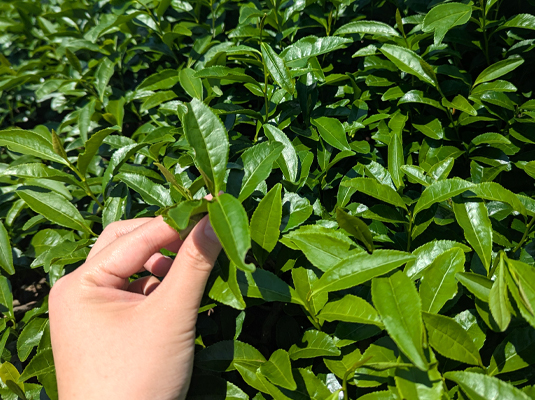
The cost of Tencha reached record or near-record levels during the 2026 harvest season, reflecting intense competition for premium raw materials. Early-season auctions in Kyoto and Kagoshima recorded substantial year-over-year price increases, making high-quality matcha significantly more expensive to produce. As a result, many Japanese manufacturers have implemented price revisions while also reviewing production schedules and supply allocations. For buyers, this means that pricing is increasingly influenced by long-term market conditions rather than temporary fluctuations.
A Structural Shift Across Japan’s Tea Industry
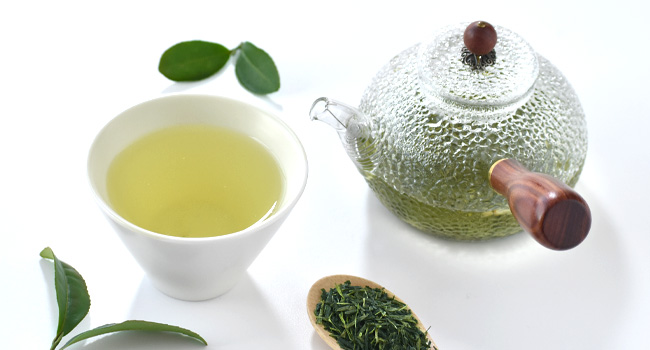
The growing popularity of matcha is changing Japan’s entire tea industry. Many tea farmers are converting traditional Sencha fields into Tencha production to meet global demand. While this transition supports matcha manufacturing, it also reduces the production of other tea categories such as Sencha, Hojicha, and Bancha. This shift reflects a broader transformation within Japanese tea agriculture, where production decisions are increasingly driven by international market demand rather than domestic consumption.
What This Means for International Buyers
For importers, distributors, and food manufacturers, stable supply has become just as important as product quality.
Across the industry, buyers are increasingly choosing to:
- Secure annual or long-term supply agreements
- Forecast purchasing volumes earlier
- Accept longer production lead times
- Diversify product portfolios beyond matcha
- Build stronger partnerships with reliable suppliers
Rather than focusing solely on price, successful sourcing strategies now emphasize consistency, transparency, traceability, and long-term collaboration.
Our Commitment
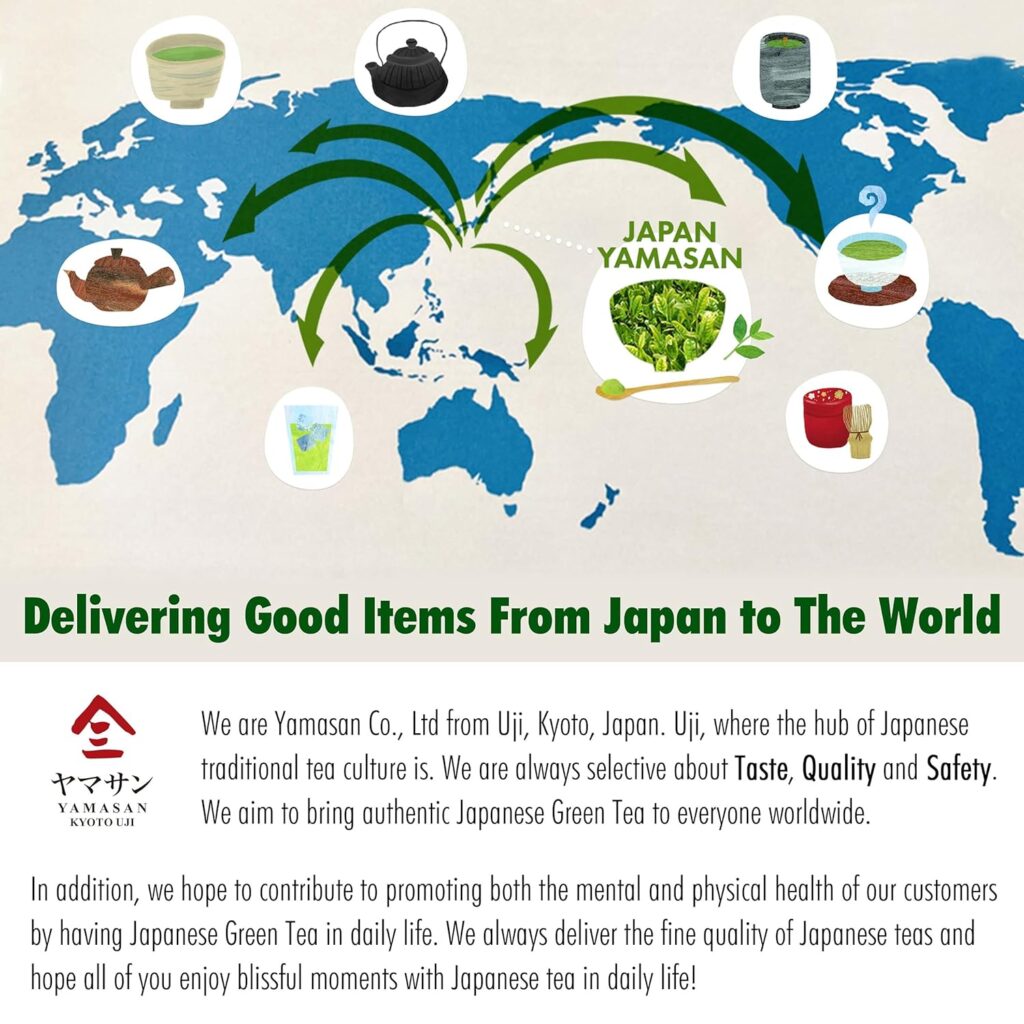
At Yamasan, we continue to work closely with our partner tea farms and manufacturers to provide authentic Japanese tea products with consistent quality and transparent communication.
We understand that today’s market requires more than simply supplying ingredients. Our goal is to help our customers make informed purchasing decisions by sharing timely market updates, realistic lead times, and practical product recommendations.

①正方形-300x300.jpg)